
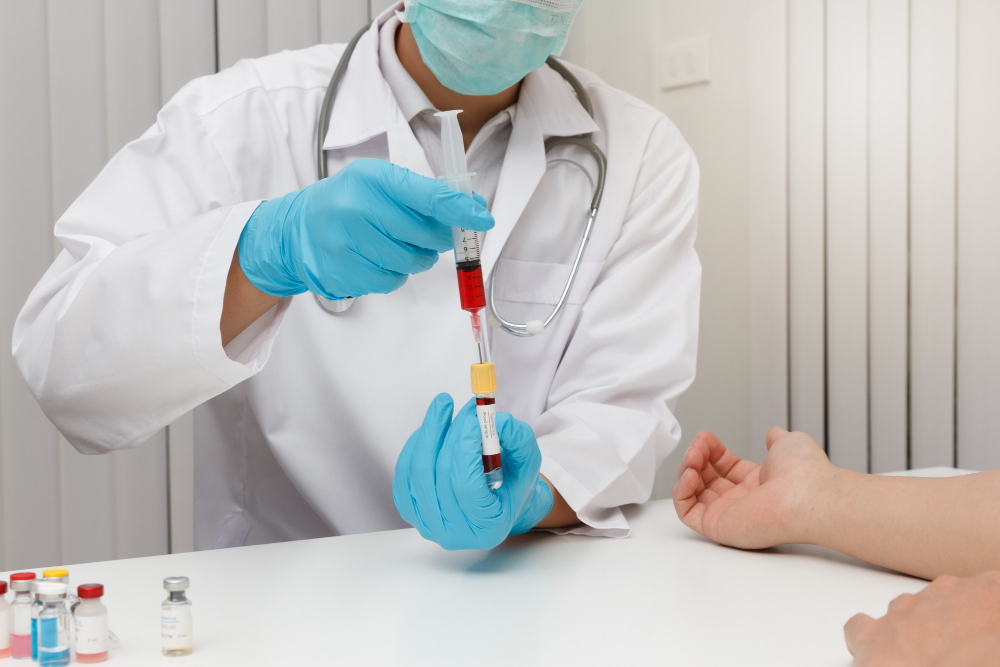
What is the WIDAL Test?
The WIDAL Test is a blood test used to help diagnose typhoid fever. Doctors often use it in places like India, where typhoid is common. This test checks for certain antibodies in your blood. These antibodies form when your body fights the bacteria that cause typhoid. Because of this, the WIDAL Test for typhoid diagnosis is widely known. Many people ask, “How is the WIDAL Test done?” or “Is the WIDAL Test accurate?” This blog will answer these questions in simple terms.
Why is the WIDAL Test Done?
Doctors use the WIDAL Test to help find out if someone has typhoid fever. Typhoid is a serious illness caused by Salmonella bacteria. Early diagnosis is important because it helps start treatment quickly. In many areas, especially in India, the WIDAL Test is a common tool. However, doctors may also use other tests to confirm typhoid. The WIDAL Test is helpful when:
Because typhoid can spread easily, early testing helps protect others too.
How is the WIDAL Test Performed?
The WIDAL Test is simple and quick. First, a healthcare worker takes a small blood sample from your arm. Next, the blood is sent to a lab. There, it is mixed with special solutions to look for antibodies. These antibodies are called agglutinins. If they are present, they cause the blood to clump. This clumping helps show if you might have typhoid fever. Usually, the results are ready within a day.
How to Prepare for the WIDAL Test
Most people do not need special preparation for the WIDAL Test. However, you can follow these simple steps:
Because some medicines or vaccines can affect the results, always share your medical history with your doctor.
Understanding WIDAL Test Results
WIDAL Test results show the level of antibodies in your blood. These are called titers. Higher titers may mean you have a current or recent typhoid infection. However, the results can be tricky to read. For example, people in areas like India may have higher titers even without illness. Doctors look for a fourfold rise in titers over time. This means they may repeat the test after a few days. Here is what the results might mean:
Always let a doctor interpret your WIDAL Test results. They will consider your symptoms and other tests too.
Limitations and Accuracy of the WIDAL Test
Although the WIDAL Test is widely used, it has some limits. For instance, it may not always give a clear answer. Sometimes, people who had typhoid before or got the vaccine may test positive. Also, other infections can cause similar results. Because of this, the WIDAL Test accuracy is not perfect. According to the World Health Organization (WHO) and the Centers for Disease Control and Prevention (CDC), doctors should use other tests along with the WIDAL Test. These might include blood cultures or newer serological tests. In summary, the WIDAL Test is helpful but not always reliable on its own.
Frequently Asked Questions about the WIDAL Test
Prevention and Next Steps
Preventing typhoid is always better than treating it. You can lower your risk by:
If you have symptoms of typhoid or need a WIDAL Test in India or elsewhere, talk to a healthcare specialist. They can help you get the right diagnosis and treatment. Remember, only a doctor can give you accurate advice about the WIDAL Test and your health.
Consult Sm Path Lab and Hormone Centre, your trusted diagnostic center, for accurate diagnosis and personalized advice regarding the WIDAL Test. Our expert team provides reliable results and clear guidance to help you understand your health better.