
Introduction to Cancer Marker Tests
Cancer marker tests help doctors find signs of cancer in the body. These tests look for special substances, called markers, in blood, urine, or tissue. Often, a cancer marker test is used to help detect cancer early. Sometimes, it can also track how well treatment is working. Because early detection can save lives, these tests are important for many people.
Common Types of Cancer Markers
There are many types of cancer markers. Each one is linked to certain cancers. For example, some markers are found in the blood, while others are in urine or tissue. Here are some common cancer markers:
However, not all cancers have a known marker. Sometimes, a marker can rise for reasons other than cancer.
How Cancer Marker Tests Are Performed
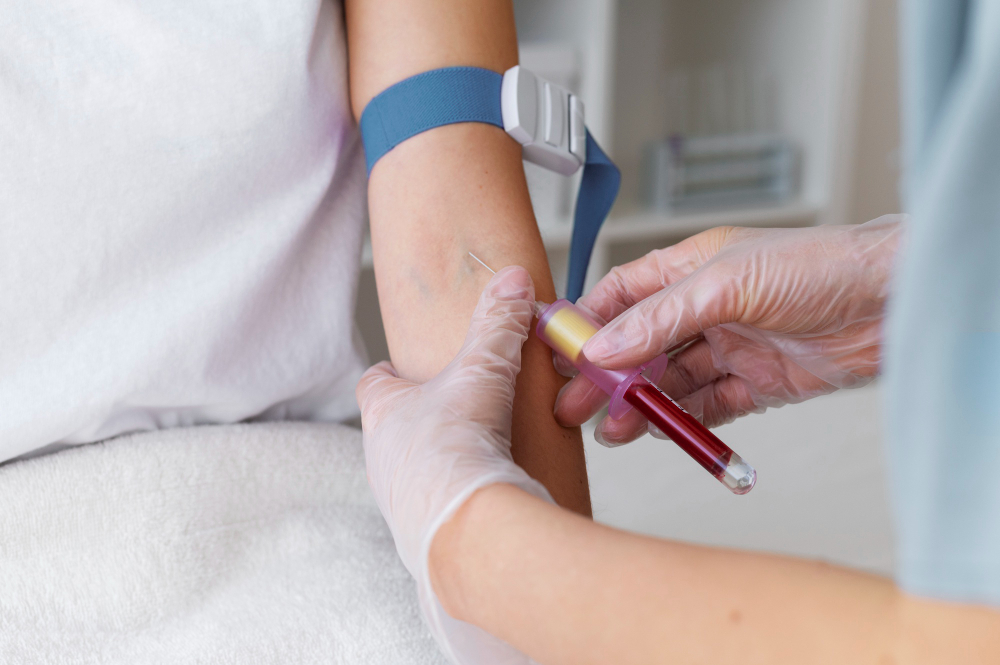
Usually, a cancer marker test is simple and quick. Most often, a healthcare worker will take a blood sample from your arm. In some cases, urine or tissue samples may be needed. After the sample is collected, it is sent to a lab. There, experts check for the presence and level of cancer markers. Results are usually ready in a few days.
When and Why Doctors Recommend These Tests
Doctors may suggest a cancer marker test for several reasons. For instance, you may need one if you have symptoms that could be linked to cancer. Sometimes, these tests help check if cancer has returned after treatment. In other cases, they help track how well treatment is working. However, doctors rarely use these tests alone to diagnose cancer. Instead, they use them along with other tests and exams.
Interpreting Results: What Do Positive or Negative Results Mean?
After the test, your doctor will explain the results. A positive result means the marker level is higher than normal. This can suggest cancer, but it does not always mean you have it. Other health problems can also raise marker levels. On the other hand, a negative result means the marker is not found or is at a normal level. Still, this does not always rule out cancer. Therefore, your doctor may order more tests to be sure.
Limitations and Risks of Cancer Marker Tests
Although cancer marker tests are helpful, they have limits. For example, some markers can rise due to non-cancer causes, like infections or other diseases. Also, not all cancers produce markers. Because of this, these tests are not perfect for screening everyone. There are few risks, but you may feel slight pain or bruising from a blood draw. According to the CDC and WHO, these tests should be part of a larger plan for cancer care.
Latest Advances and Research
Recently, research has improved cancer marker tests. For example, new tests can find more markers at lower levels. Some studies, published in peer-reviewed journals, show that combining several markers can help find cancer earlier. The WHO and CDC support ongoing research to make these tests more accurate and useful for everyone.
Tips for Preparing for a Cancer Marker Test
Preparing for a cancer marker test is easy. Still, following your doctor’s advice is important. Here are some tips:
Because each test is different, your doctor will give you specific instructions.
Prevention and Lifestyle Advice Related to Cancer Screening
While cancer marker tests help with early detection, healthy habits are also important. For example, eating a balanced diet, staying active, and avoiding tobacco can lower your cancer risk. Regular check-ups and screenings, as recommended by your doctor, are key. Early action often leads to better outcomes.
Frequently Asked Questions (FAQs)
Conclusion: Consult a Healthcare Specialist
In summary, a cancer marker test can be a helpful tool for early detection and tracking cancer. However, it is not a stand-alone test. Always talk to your healthcare specialist for personalized guidance about cancer marker tests and your health. Consult SM Path Lab and Hormone Centre for more information.