What Are FSH, LH, and Prolactin Tests?
FSH, LH, and Prolactin tests are blood tests that check hormone levels. These hormones help control growth, puberty, and fertility. The FSH, LH, Prolactin test is often called a hormone blood test. Doctors use these tests to learn about your body’s hormone balance. For many people, understanding the FSH, LH, Prolactin test meaning can help explain symptoms or health issues.
Why Are These Tests Ordered?
Doctors order FSH, LH, and Prolactin tests for several reasons. Often, these tests help find the cause of:
Sometimes, these tests can also help check for pituitary gland problems. The pituitary gland is a small organ in your brain that controls many hormones. According to the CDC and WHO, hormone blood tests are important for diagnosing these issues.
How Are the Tests Performed?
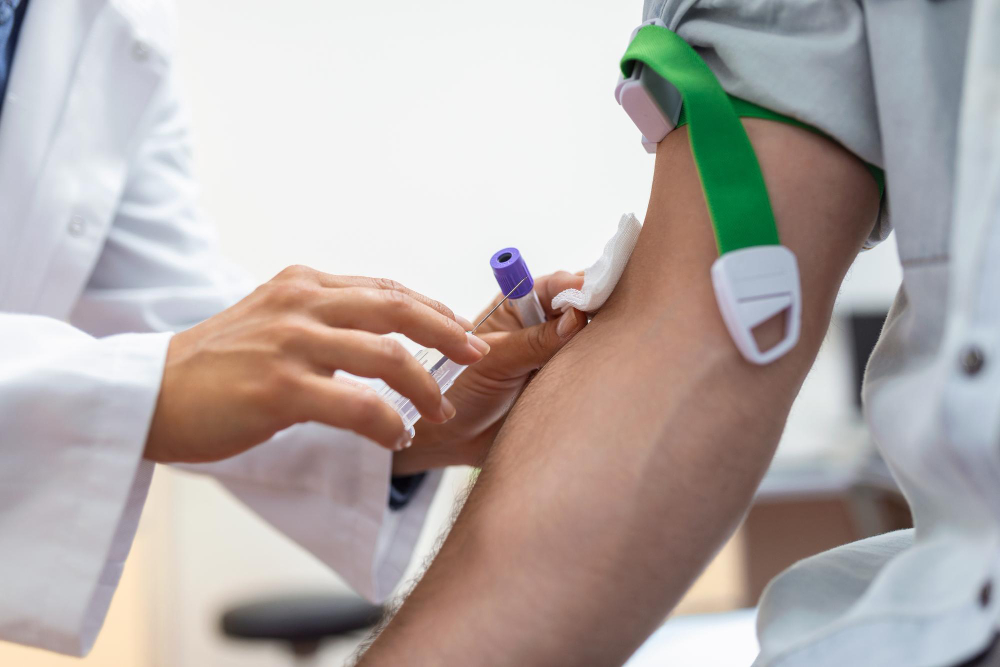
FSH, LH, and Prolactin tests are simple blood tests. Usually, a nurse or lab worker takes a small blood sample from your arm. The process takes only a few minutes. In most cases, you do not need to fast before the test. However, your doctor may give you special instructions. For example, some medicines or stress can affect hormone levels. So, always tell your doctor about any medicines you take. If you are a woman, your doctor may ask about your menstrual cycle. This is because hormone levels can change during the month. The hormone blood test procedure is safe and quick.
What Do the Results Mean?
After the test, your doctor will review your results. Normal ranges can vary by age, sex, and lab. Here are some general guidelines:
However, these numbers are only a guide. Your doctor will explain what your results mean for you. For example, high FSH or LH may point to menopause or problems with the ovaries or testes. High prolactin can cause milk production or signal a pituitary issue. Interpreting hormone test results always needs a doctor’s help.
Common Symptoms or Conditions That May Require These Tests
Many symptoms can lead your doctor to order these tests. For instance, you may need them if you have:
Sometimes, these symptoms can be mild. But they may also point to a hormone problem that needs treatment.
Lifestyle Guidance and Next Steps After Testing
After you get your results, your doctor will guide you on what to do next. Sometimes, you may need more tests or a referral to a hormone specialist. If your hormone levels are not normal, your doctor may suggest:
Above all, always follow your doctor’s advice. They will help you understand your results and plan the best care.
Prevention and Health Tips for Hormonal Balance
Keeping your hormones balanced is important for good health. Here are some tips:
In addition, if you notice any new symptoms, talk to your doctor right away. Early care can help prevent bigger problems later.
Conclusion
FSH, LH, and Prolactin tests are key tools for checking hormone health. They help doctors find the cause of many symptoms. If you need these tests, do not worry. The procedure is simple, and your doctor will guide you every step of the way. Consult SM Path Lab and Hormone Centre for personalised advice about FSH, LH, and Prolactin testing.